News

News

When Google Isn’t Enough: The Value of Financial Advice

Today, almost any financial question can be typed into a search bar. Within seconds, you can find articles, videos and calculators covering everything from investing and retirement to insurance and estate planning. With so much information available, it is reasonable to ask: Do I still need a financial advisor? The answer lies in the difference between accessing information and knowing how to apply it to your own life. Think about how you approach your health When you have a mild cold, you may be comfortable treating it at home. You recognise the symptoms, know what has helped before and can buy an over-the-counter remedy. But when the symptoms are serious, unusual or persistent, you see a doctor. It is not because health information is unavailable online. It is because a doctor has the specialised knowledge and experience to assess your symptoms, medical history, current medication and personal risks before recommending the right treatment. Financial planning works in much the same way. The internet can explain what a retirement annuity is, how compound growth works or why diversification matters. That information is valuable, but it cannot determine how the different pieces should fit together in your particular circumstances. Your finances do not exist in isolation Your income, family responsibilities, debt, tax position, investments, insurance cover, retirement goals and estate plan are all connected. A decision that looks sensible on its own may affect another part of your financial life. For example, increasing your retirement contributions may offer long-term benefits, but the amount still needs to be balanced against your emergency savings, cash flow and shorter-term commitments. Two people of the same age and income may therefore need very different strategies. One may have young children, debt and variable business income. The other may have no dependants, stable employment and substantial savings. The same online advice will not necessarily be appropriate for both. A financial advisor helps you look at the complete picture, identify the gaps and find the right mix for your goals, responsibilities and circumstances. Information cannot replace perspective Financial decisions are not purely mathematical. They are tied to family, security and the future. During uncertain markets, even informed investors can feel tempted to react. Online opinions can add to the noise: one person says to buy, another says to wait, while a dramatic headline warns that everything is about to change. A trusted advisor can help you understand what is happening in context, return to your long-term plan and make calm, disciplined decisions. Their role is not to predict every market movement. It is to help ensure that your decisions remain appropriate as your life, priorities and circumstances change. The internet is a useful tool, but it is not a personal financial plan Working with a financial advisor does not mean giving up your own research or understanding. Informed clients are better equipped to ask questions and participate in important decisions. But information is most useful when it is interpreted correctly and connected to a clear strategy. Just as you may treat a minor cold at home but consult a doctor when the situation becomes more complex, there are times when professional financial guidance becomes invaluable. The right advisor helps you move beyond collecting information towards making informed decisions that reflect the life you have and the future you want to build. At House of Ellis, we believe good financial planning should leave you feeling more informed, more secure and more confident about your future. If you would like a clearer view of how the different parts of your financial life fit together, speak to House of Ellis about building a plan around you.

News

The Great Market Recoveries: What History Can Teach Long-Term Investors

Market declines can feel very different when you are living through them. Headlines become more urgent, uncertainty rises, and watching investment values fall can create a strong temptation to react. Yet history provides valuable perspective: significant market declines have often been followed by meaningful recoveries. The timing has varied considerably, from a matter of months to several years, reminding us why perspective matters when markets become uncertain. 1. The Global Financial Crisis: 2008 Market decline: approximately 56.8%Recovery: approximately 4 years The Global Financial Crisis was one of the most severe market downturns in modern history. Financial institutions failed, economies entered recession, and global confidence deteriorated sharply. Recovery took years rather than months, testing the patience of long-term investors. 2. The COVID-19 Market Crash: 2020 Market decline: approximately 33.9%Recovery: approximately 5 months When COVID-19 spread globally in early 2020, markets fell rapidly as economic activity slowed and uncertainty surged. What followed was an unusually fast recovery, considerably quicker than many expected at the height of the crisis. 3. The Inflation and Interest Rate Bear Market: 2022 Market decline: approximately 25%Recovery: approximately 12 months High inflation and rapidly rising interest rates created a challenging environment for investors. As central banks tightened monetary policy, concerns around economic growth and company valuations weighed on markets before conditions and expectations began to shift. 4. The 2025 Market Correction Market decline: approximately 15–20%Recovery: approximately 4–5 months Changing economic expectations and investor sentiment contributed to a sharp market correction in 2025. Despite the uncertainty surrounding the decline, markets recovered over the months that followed, illustrating how quickly market conditions can change. 5. The 2011 Debt Crisis Correction Market decline: approximately 19%Recovery: approximately 4 months Concerns around European sovereign debt and the downgrade of the United States’ credit rating contributed to significant volatility in 2011. Investor confidence deteriorated quickly, but the subsequent market recovery was considerably faster than the headlines at the time might have suggested. The Takeaway: Perspective Matters Looking across these events, there is no single formula for a market recovery. Some declines have been followed by recoveries within months. Others have taken several years. More importantly, the turning point is rarely obvious while you are living through it. Economic conditions may still look difficult. Headlines may remain negative. Investor confidence may still be low. Yet markets can begin moving long before certainty returns. This is one reason why attempting to consistently time market exits and re-entry can be so difficult. History does not guarantee how markets will behave in the future. What it does provide is perspective. Periods of volatility are part of long-term investing. Rather than allowing short-term market movements to dictate long-term financial decisions, investors can focus on what they can control: their goals, time horizon, diversification, risk exposure, liquidity needs, and overall financial plan. At House of Ellis, we believe long-term financial planning is not about predicting every market movement. It is about having the clarity, structure, and perspective to make considered decisions through different market cycles. Market recoveries are unpredictable. Your financial plan shouldn’t depend on predicting them.

News

What the 2026 Budget Proposals Could Mean for Your Financial Planning

Every year, South Africa’s national budget introduces changes that can influence how individuals save, invest and plan for the future. While tax updates may sometimes feel overwhelming, they also create opportunities for smarter financial planning when approached correctly. The recently proposed 2026 tax adjustments include changes to income tax brackets, retirement contributions, tax-free investments and capital gains exclusions. For individuals and families focused on long-term financial wellbeing, understanding these changes can help improve financial decision-making over time. Small Adjustments Can Have a Long-Term Impact The latest proposals include revised personal income tax thresholds and rebates across different age categories. While these adjustments may appear modest on the surface, they can influence: Financial planning is often less about reacting to one major event and more about making consistent, informed adjustments over time. The Continued Importance of Tax-Efficient Investing One of the most notable proposed changes is the increase to the annual tax-free investment contribution limit, from R36 000 to R46 000. For long-term investors, this remains one of the most effective tools available for building wealth efficiently. Tax-free investments allow growth and returns without tax on interest, dividends or capital gains within the product structure. Over time, this can significantly improve long-term investment outcomes through the power of compounding. For many investors, regularly maximising these allowances can become an important part of a disciplined long-term strategy. Retirement Contributions Still Matter The proposed increase in the annual deduction limit for pension fund contributions also reinforces the value of retirement planning. Retirement investing offers two key advantages: In uncertain economic environments, maintaining consistent retirement contributions remains one of the most practical ways to protect long-term financial goals. Planning Matters More Than Prediction Budget announcements often generate concern around taxes, inflation and rising living costs. However, successful financial planning is rarely about trying to predict every economic change perfectly. Instead, it is about building a strategy that remains resilient across different market and economic conditions. This includes: Small, proactive decisions made consistently over time often create stronger financial outcomes than reactive decisions driven by short-term uncertainty. A Good Time to Review Your Financial Plan Changes to tax legislation and contribution limits provide a valuable opportunity to revisit your financial plan and ensure your strategy still aligns with your goals. Whether it involves retirement planning, tax-efficient investing, estate planning or long-term wealth preservation, regular reviews can help identify opportunities that may otherwise be missed. At House of Ellis, we believe financial planning should provide clarity and confidence — especially during changing economic conditions. If you would like to review your current financial plan, discuss your investment strategy or better understand how the latest budget proposals may affect your long-term goals, our team would be happy to assist. Reach out to the House of Ellis team to start the conversation.

News

New Year, New Financial Resolutions: The Essentials You Shouldn’t Ignore

A new year naturally brings fresh goals, renewed motivation, and a sense of possibility. We set intentions for our health, careers, and relationships, but too often, our finances are left on autopilot. At House of Ellis, we believe the start of the year is one of the most powerful moments to reset, review, and realign your financial plan. Not with drastic changes, but with smart, intentional decisions that protect your future and give you peace of mind. Here are the key financial resolutions we encourage every South African to consider this year. 1. Start With the Most Important Document: Your Will If you do only one financial task this year, let it be this: make sure your will is up to date. December was a stark reminder of how unpredictable life can be. We saw a significant number of seasonal car accidents, including cases involving young people and children. These moments are sobering, and they remind us how important it is to have our affairs in order,  for ourselves and for the people we love. A valid, up-to-date will: A will is not something you do “one day.” It’s something you do now, and review whenever your life changes. 2. Review Your Investments. Don’t Just Roll Them Over Every year brings change. Markets shift, economic conditions evolve, and so do your personal goals. This is the right time to: Good investing isn’t about reacting to headlines. It’s about adjusting your strategy with purpose and clarity. 3. Plan for What’s Changing in Your Life Financial planning should reflect real life. Not just spreadsheets. Ask yourself: Each of these decisions has financial consequences, and the earlier they’re planned for, the less stressful they become. A clear budget and forward-looking plan turn big life moments into manageable steps. 4. Check Your Risk Cover,  Because Life Has No Backup We back up everything these days.Your phone has a backup.Your computer has a backup.Your data has a backup. Your life doesn’t. That’s why risk cover is non-negotiable. Make sure you have: If something unexpected happens, cover ensures your family, income, and plans don’t fall apart. It’s not about fear,  it’s about responsibility. 5. Prepare for Rising Medical Costs Medical tariffs are increasing, and in many cases, significantly. Now is the time to: Healthcare is one of the biggest long-term expenses most families face. Planning for it early avoids painful surprises later. Start the Year With Confidence Financial resolutions don’t have to be overwhelming. They just need to be intentional. When your will is updated, your investments reviewed, your plans mapped out, and your risks covered, you start the year with something invaluable: peace of mind. If you’re not sure where to begin, or want a professional second opinion, the House of Ellis team is here to help,  with advice that’s practical, personal, and grounded in real life. Let’s make this the year your finances truly support the life you’re building. House of Ellis Smart. Simple. Financial advice that works in the real world.

News

Willie’s Wake-Up Call

This article was originally published on enca.com and can be read here: [Link] The Myth of Being Too Young When you’re young, healthy, and building your life, serious illness feels like something that happens to other people. You’re starting a career, planning your future, maybe building a family. You’re focused on growth, ambition, and momentum, not a health crisis. But the truth is: illness doesn’t wait for you to be older or ready. It shows up without warning. Just ask Willem van Zyl, or Willie as he’s known. At just 29, fit, active, and with his whole life ahead of him, he was diagnosed with testicular cancer. What followed was a journey of shock, treatment, and eventually healing, made possible because of one unexpected decision he made: taking out Severe Illness Cover with Old Mutual, just three months before his diagnosis. Willie’s Story: From Ambition to Diagnosis Willie was the kind of guy who lived in motion. A sport organiser, teacher, and semi-pro cricketer from Bethlehem, he spent weekends playing cricket, rugby, or golf. He had just started dating the woman who would become his wife.  Then one day, he was injured during a cricket game. His urologist immediately admitted him to the hospital the next day, and he had surgery. A week later, he heard the words that froze time: “You have cancer.” When Cancer Comes Early The news hit hard. Willie’s mother had passed away from cancer years earlier, so the diagnosis carried a heavy emotional weight. “The first thing you think is, how much time do I have left?” he says. But very quickly, the emotional toll gave way to logistical questions: What hospital? What care? Will I be able to work? How will I afford treatment? The Role of Cover: A Lifeline in Crisis Fortunately, Willie had Severe Illness Cover with Old Mutual. “I had no idea how important that decision would be. I just took it out on advice from a colleague. I never thought I’d need it. But three months later, I did.” Why It Matters: Especially for Young Adults and Commission Earners Willie’s story illustrates a powerful truth: you’re never too young to get cover. Serious illnesses like cancer aren’t reserved for older people. Many claims at Old Mutual come from people in their 20s and 30s. In 2024 alone, 46% of disability claims (lump sum and income) came from customers aged 30–50. And 73% of all severe illness claims were for the “Big Four” which include: cancer, heart attacks, coronary artery bypass grafts, and strokes. The financial pressure of an illness can be devastating, especially for commission earners and professionals with young families or new financial responsibilities. Willie experienced this firsthand. “There were weeks I just couldn’t work. Chemo leaves you exhausted. But the payout helped me stay afloat, focus on healing, and even plan for the future.” A Trusted Partner in Crisis: Old Mutual’s Track Record Old Mutual isn’t just a provider—they’re a 180-year-old promise to stand by South Africans when it matters most. In 2024, they paid over R14.7 billion in claims—more than R57 million every working day. The Power of Advice: Why You Need an Accredited Financial Adviser Willie’s story also reveals another truth: the importance of working with an accredited financial adviser. Whether you’re a young professional, a newlywed, or a parent with young children, your financial needs are unique and ever evolving. Having the right adviser means having someone who helps you make the best decisions today, so you’re protected tomorrow. Recovery with Peace of Mind One of the most overlooked aspects of being financially prepared is the mental relief it brings. Willie was able to recover without the weight of financial stress. “It gave me peace of mind,” he says. “I didn’t have to worry about how to pay for the next round of treatment or if I needed another procedure. That mental freedom was a big part of my recovery.” Advice to His Younger Self Looking back, Willie is grateful—but also reflective. “If I could speak to my younger self, I’d say: don’t wait. Get proper cover now. Talk to a financial adviser. You never know what tomorrow holds.” Conclusion: Plan Today for Peace Tomorrow At 29, it allowed Willie the space to heal, plan, and continue building the life he dreamed of—as a husband, father, and professional. Speak to an accredited Old Mutual adviser today. Get the cover that fits your life, not just your age. Because your health might be unpredictable, but your protection doesn’t have to be. 

News

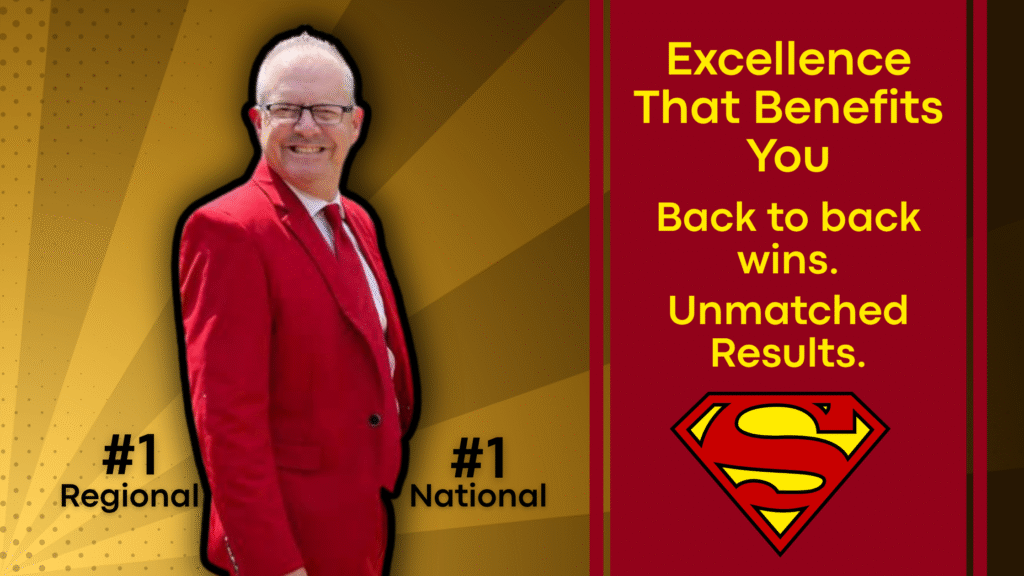
Back-to-Back #1 Rankings for Francois Ellis!

We’re proud to share that Francois Ellis has once again achieved the highest honours at Old Mutual’s prestigious Aviator Dinner – ranking: #1 Regionally#1 Nationally This recognition at the Q2 Aviator Dinner follows the same #1 Regional and National rankings he earned in Q1 – solidifying his reputation as one of South Africa’s most trusted and consistent financial advisors. A Track Record That Speaks for Itself Francois’ double victory isn’t just a personal win – it’s a reflection of his deep commitment to every client he serves. Whether he’s guiding you through retirement planning, GEPF advice, investments, or estate strategies, Francois brings precision, clarity, and heart to every interaction. Excellence That Benefits You These rankings are based on a combination of performance, impact, and client service. To earn the top spot across two consecutive quarters, on both a regional and national level, is no small feat – and we believe it shows exactly why our clients trust House of Ellis to help them build a more secure financial future. If you’re ready to experience advice you can count on – from South Africa’s top-ranked advisor – let’s talk. Your future deserves nothing less. Book a consultation📧 francois@didimata.co.za🌐 www.houseofellis.co.za

News

Don’t Coast to the Finish Line: Why Your Last Pension Years Matter Most

Let’s be honest — when you’re five or ten years away from retirement, it’s tempting to ease off the gas. Maybe the house is nearly paid off. The kids are (finally) financially independent. And after decades of working and saving, you’re thinking: Surely I’ve done enough by now? Not quite. At House of Ellis, we’ve seen time and time again how the final years before retirement aren’t just important — they’re often the most financially powerful years of your entire pension journey. And if you’re still actively contributing to a retirement annuity or pension fund, these years can make the difference between a comfortable retirement and a confident one. Here’s why. 1. The Power of Compound Growth Has Its Big Moment By now, your investments have been growing for 20, 30, maybe even 40 years. Every extra rand you add in your final years is no longer starting from scratch — it’s joining a much larger investment base that’s already doing the heavy lifting. It’s like adding fuel to a rocket mid-flight. Even small contributions in your 50s and early 60s can generate big returns over the next 5 to 10 years — and possibly well into retirement if your investments stay active. 2. Catch-Up Contributions Can Close the Gap Let’s say you weren’t able to contribute much in your 30s or early 40s (hi there, bond repayments and school fees). That’s normal. But here’s the good news: SARS allows you to contribute up to 27.5% of your taxable income (capped at R350,000) to a retirement annuity — and it’s tax-deductible. These “catch-up” contributions, especially if you’re earning well in your later career years, can reduce your tax bill and turbocharge your retirement savings in one go. 3. You’re Closer Than Ever to Knowing What You’ll Actually Need In your 20s and 30s, retirement is a vague concept. But in your 50s and early 60s? It’s real. You know your lifestyle. You know your medical needs. You’ve got a clearer picture of how much you’ll need to live the life you want — and whether there’s a shortfall. This is the perfect time to sit down with our team and check: 4. Retirement is Getting More Expensive We’re living longer. Medical costs are rising. And let’s be honest — many of us don’t want to just survive after 65; we want to travel, treat the grandkids, or start that side hustle. That’s why the final years of saving aren’t about scraping by — they’re about making sure your future self has options, not restrictions. 5. It’s Your Final Say in What Retirement Looks Like Think of your pension journey like a long, winding road. The final stretch is where you can pick your exit: How you finish strong now gives you more power to choose your path later. Our Take? Don’t coast to the finish line. Sprint it. You’ve worked too hard for too long to let the last few years go quiet. With the right planning (and a few smart moves), these years can completely reshape your retirement picture — for the better. Need help checking if you’re on track? Let’s chat. House of EllisSmart. Simple. Financial advice that works in the real world.

News

House of Ellis Reviews: The Max Optimal Retirement Annuity (And Why We Think It’s Worth a Look)

At House of Ellis, we’re constantly on the lookout for smart financial products that balance long-term value with real-world flexibility—because let’s be honest, life rarely goes according to plan. So when Old Mutual announced a limited-time boost to their Max Optimal Retirement Annuity Plan, we took notice.And after reviewing the fine print? We’re happy to say: this one gets a big yes from us. What Is It? Old Mutual’s Max Optimal Retirement Annuity is a recurring-premium investment product designed to support your retirement savings without locking you into rigid contribution rules. From now until 31 July 2025, they’re sweetening the deal by increasing the Optimal Booster at year 5 from 2.5% to 3.5% — a 40% increase in long-term bonus value.This means, if you stay invested and consistent, you get rewarded. And who doesn’t love a good bonus? Why We’re Recommending It Here’s why we think this plan is genuinely smart:Flexibility Built InYou can pause or reduce your premiums without facing penalties. You can even skip up to 12 months of payments. That’s rare.Low Barriers to EntryThe monthly minimum is surprisingly accessible: It’s one of the lowest starting points we’ve seen for a credible, long-term retirement annuity.Booster Keeps Paying Even If You StopAfter five years, you start earning the booster—even if you stop contributing. That kind of reward continuity is a major benefit in our book.Transparent, No-Gimmick FeesNo hidden deductions, no sneaky fine print. This RA is designed to be understood. Who This Is For We’d recommend this retirement annuity if: House of Ellis Bottom Line This product ticks a lot of the right boxes for the kind of retirement planning we endorse: flexibility, rewards, transparency, and most importantly, accessibility.Retirement planning doesn’t have to be rigid or intimidating. With the Max Optimal Retirement Annuity Plan, you can start small, stay flexible, and grow your savings with confidence. Want to explore how this might fit into your bigger financial plan?Chat to us at House of Ellis—we’ll walk you through it, jargon-free.

News

Navigating the Investment Landscape with Confidence: The House of Ellis Way

In a financial world full of noise, hype, and uncertainty, it’s easy to feel overwhelmed when planning for your future. That’s where House of Ellis steps in—a financial advisory firm with a clear mission: to help clients grow and protect their wealth through strategic, trustworthy investment planning. With over 16 years of industry experience, House of Ellis has guided thousands of clients toward peaceful retirements, stable growth, and lasting financial security. At the helm is Francois Ellis, whose philosophy blends practical wisdom with proven performance, offering a refreshingly grounded approach in today’s unpredictable markets. The Power of Diversification If there’s one piece of advice Francois Ellis champions above all else, it’s this:“Diversification, diversification, and once again, diversification.” This simple yet powerful mantra is the cornerstone of House of Ellis’s investment strategy. Rather than putting all your eggs in one basket, they guide clients in spreading their investments across multiple asset classes, sectors, and even geographical regions. This approach is key to managing risk—helping protect your portfolio from the impact of a downturn in any one market. Strategic Partnerships with Trusted Institutions House of Ellis doesn’t just help you invest—they help you invest wisely. By partnering with reputable financial institutions, such as Didimata, one of Old Mutual’s largest and most respected franchises, they ensure that every recommendation is backed by quality, transparency, and accountability. They steer clear of high-risk schemes and questionable opportunities. In Francois’s own words:  “Avoid murky waters and too-good-to-be-true deals, even if they promise gold.” Safety, Liquidity, and Growth—In Balance House of Ellis understands that your money should work for you, but it should also be protected. That’s why they prioritise investments that offer: This philosophy led to an impressive 17% return for clients in 2024, showcasing how safety and smart strategy can indeed coexist. A Proven Track Record of Excellence The results speak for themselves. Francois Ellis has consistently ranked among the Top 3 Advisors on the AFD Old Mutual Platform for the past five years and has been awarded titles such as: These accolades are more than just trophies—they reflect a deep, ongoing commitment to client success and sound financial stewardship. More Than Investments: A Holistic Approach to Wealth At House of Ellis, investment planning is part of a bigger picture. Their services extend to: It’s a comprehensive approach to financial well-being, designed to reduce anxiety and give clients lasting peace of mind—whether they’re planning for tomorrow or looking ahead to the next 20 years. Your Financial Future Starts with a Conversation If you’re ready to take control of your financial journey—with clarity, confidence, and expert guidance—House of Ellis is here to help. Their team is currently offering free consultations to explore your investment goals and map out a plan that suits your life. Secure your financial future. Grow with confidence. Trust House of Ellis. 👉 Contact us today for a no-obligation consultation and let’s chart a path toward your brighter tomorrow.

News

Navigating the Home-Buying Journey: Expert Advice from Francois Ellis

Buying a home can be an exciting yet overwhelming process. In fact, studies show that home buying is one of the most stressful life events, often ranking alongside job changes and major financial decisions. From finding the perfect house to securing the right financing, the journey is filled with crucial decisions. As someone who has recently gone through this process, I understand the challenges firsthand. Fortunately, with the right guidance, you can streamline your home-buying experience and make it as stress-free as possible. The Importance of Bond Originators One of the key aspects of purchasing a home is securing a home loan. Many buyers turn to bond originators, who work with multiple banks to negotiate the best interest rates on your behalf. This can save you both time and money, ensuring that you get the most competitive deal available. Bond originators typically earn a commission from the banks, which means their services are often free to home buyers. Understanding this dynamic can help you make informed financial decisions while ensuring you receive the best mortgage rates. Making Your Move Easier Moving to a new home can be physically and emotionally draining. However, there are professional moving services that handle every aspect of the process. These companies pack up your belongings, transport them to your new home, and even handle unpacking and setup—including hanging curtains! Utilizing such services can significantly reduce the stress of moving, allowing you to focus on settling into your new space. When selecting a moving service, it’s essential to compare quotes, check reviews, and confirm their insurance coverage to protect your belongings during transit. Financial Planning and Home Loans One of the most critical elements of homeownership is financial planning. When you take out a home loan, banks need assurance that their investment is secure. In many cases, they require bond cover, which is a type of insurance that ensures the loan is repaid if something happens to you. However, I strongly advocate for an alternative approach—taking out a dedicated life cover policy instead. A properly structured life cover policy can be ceded to the bank, offering the same level of security while often being more cost-effective and flexible. Additionally, new homeowners should consider other financial responsibilities, such as property taxes, maintenance costs, and setting up an emergency fund for unexpected expenses. These considerations ensure long-term financial stability and prevent financial strain down the line. How We Can Help At House of Ellis Financial Advisors, we are here to assist you throughout your home-buying journey. Through our partnership with Old Mutual’s Home Loans Division, we can help you navigate the financing process, ensuring that you receive the best possible terms. Our services include: If you are in the market for a new home and need expert financial guidance, feel free to reach out. We are here to support you every step of the way. Best of luck on your home-buying journey! Francois Ellis, House of Ellis Financial Advisors

Scroll to Top